Wood Stoves
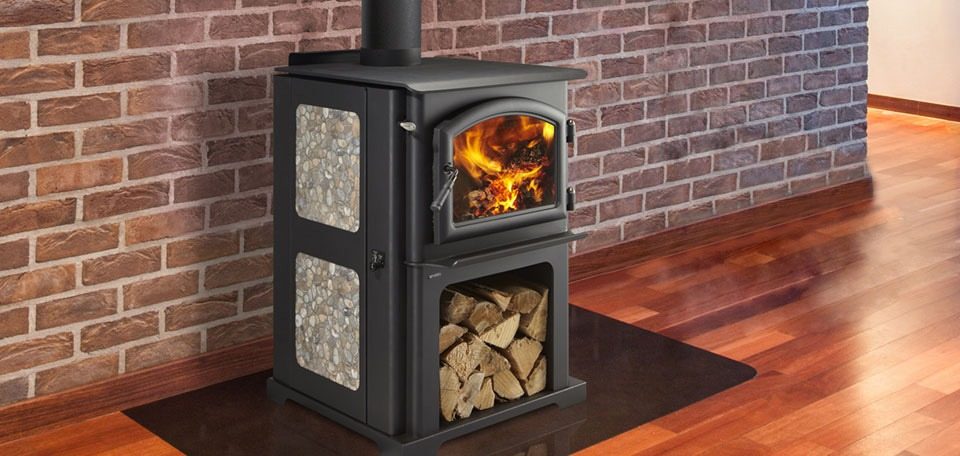
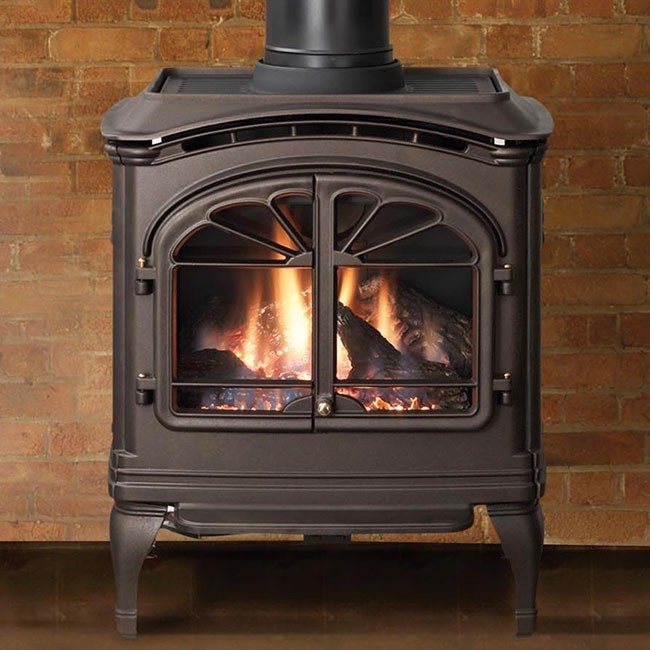
Cast iron and steel wood stoves for cabins, lake places and year-round homes around Hayward. Sold, installed and serviced by the same shop.
Heat that does not need the power to be on
A wood stove is still the most dependable heat you can put in a Northwoods house. When the line goes down in an ice storm, the stove does not know and does not care. That is worth something out here.
The trick is sizing. A stove that is too big for the room gets run choked down, which makes creosote and dirty glass. Too small and you are feeding it all night. We would rather measure the space and get it right than sell you the biggest one on the floor.
- Cast iron and steel bodies, in several sizes
- Long burn times so a load lasts overnight
- Clean burning designs that meet current standards
- Blowers, cook tops and outside air kits where they help
- Hearth pads and wall shields sized to the stove
Three things decide which stove is right
Not the price and not the picture. These are the questions we ask before we recommend anything.
How much space, and how open is it?
A stove is rated for a square footage range, but the shape matters as much as the number. Heat moves through an open floor plan and stops at a hallway. A stove that would cook you in a small closed room can leave a wing of the house cold if the doors are shut.
Are you heating, or adding heat?
A stove meant to carry the house through January is sized differently from one that takes the edge off a living room on a Saturday. Oversizing is the more common mistake. A stove run choked down all winter makes creosote and dirty glass.
What is already there?
An existing masonry chimney may be usable with a liner, or may not be worth it. Most of what we install goes on new insulated class A pipe straight up through the roof. We look before we quote.
Worth knowing before you buy
How much wood will I actually burn in a winter?
Can I put a wood stove in a cabin?
Do I need a chimney already?
Is a new stove really that different from an old one?
What about power outages?
The names you will see on the floor
We are an authorized dealer for each of these, which means parts, warranty work and service stay here rather than going back to a factory.

Come see one burning.
The showroom on Highway 63 has units running through the heating season. It is a lot easier to pick a stove when you can stand next to it.